Livestock
Grazing and recovery.
Consider grazing moves, forage, fencing, water, and labor together when planning a rotation.
Useful records
Grazing dates, rest periods, forage observations, and access constraints.
Inside the field lab
A closer look at the questions behind the field walk. Explore six practice areas and the information that helps connect field learning to producer support.
Explore the practices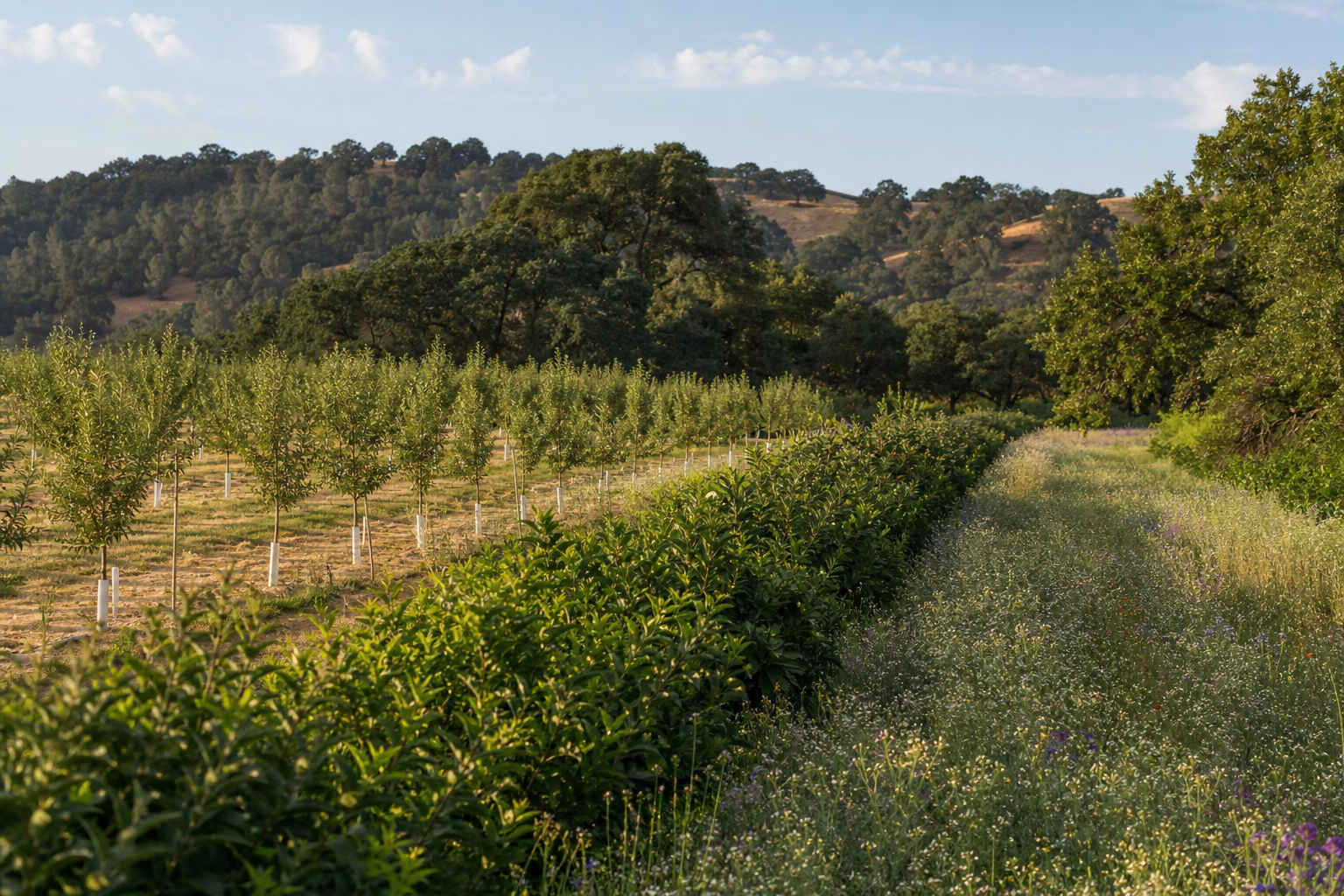
Areas of learning
These areas guide questions and documentation. The records needed for a particular project depend on its purpose and technical requirements.
Livestock
Consider grazing moves, forage, fencing, water, and labor together when planning a rotation.
Useful records
Grazing dates, rest periods, forage observations, and access constraints.
Orchard
Look at variety choice, frost exposure, irrigation, soil cover, and harvest timing in their site context.
Useful records
Variety and location notes, weather impacts, irrigation routines, and harvest timing.
Greenhouse
Use propagation and season-extension questions to explore a practice before considering wider field use.
Useful records
Planting dates, growing conditions, labor inputs, and observations from trials.
Water
Connect meters, pumps, delivery lines, and maintenance needs to the question a water project should address.
Useful records
Equipment details, available water and energy records, system maps, and quotes.
Soil
Consider cover, compost, and disturbance alongside the labor, cost, and timing needed to maintain them.
Useful records
Practice dates, site photos, relevant measurements, and implementation notes.
Habitat
Treat hedgerows, riparian areas, and beneficial habitat as work that needs sequencing and ongoing maintenance.
Useful records
Site conditions, planting or restoration plans, maintenance needs, and follow-up observations.
From fieldwork to learning
A useful field record connects what happened with where, when, and under what conditions. That context helps producers and technical partners decide what to investigate next.
See how coordination worksStart with a site condition and a specific question. Record the location, constraints, and producer’s operating context.
Choose the minimum useful baseline, such as dates, photos, meter readings, or technical notes. Keep the method repeatable.
Consider the practice within normal labor, weather, access, and budget limits. Document changes and implementation lessons.
Use the observations to inform field learning, producer guidance, and partner questions. Distinguish observations from verified results.
Continue the conversation
Share the question, your operating context, and the support you are looking for.